Work/Food and Beverages
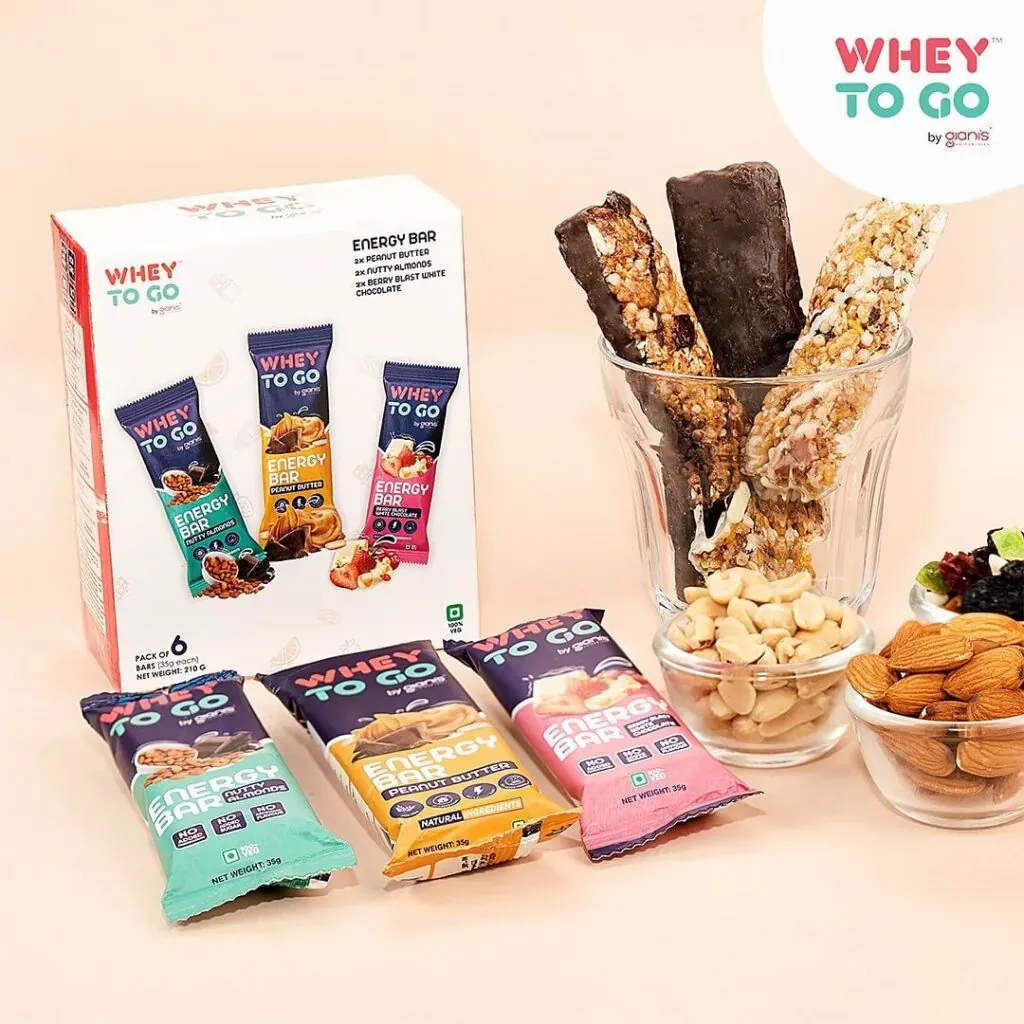
Whey To Go by Gianis
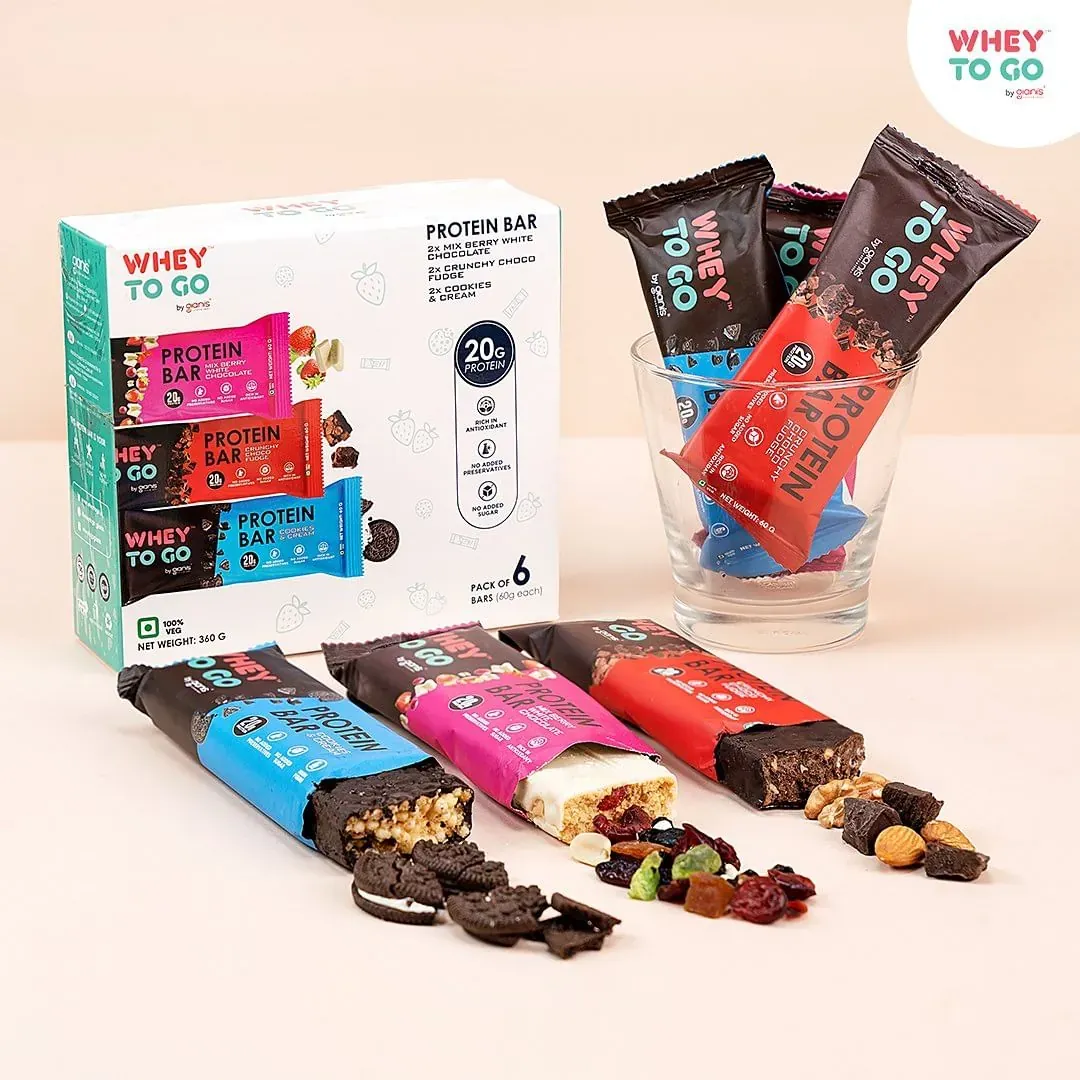
The brand aimed to successfully launch its new line of protein bars and ice creams, establishing itself as a prominent player in the protein snack market and maintaining a premium look and feel on their social media feed.

Strength in Numbers
The brand achieved a stronger perception as a premium, health-first food option, supported by improved visual consistency and more cohesive communication. The overall digital presence became better aligned with the expectations of a health-conscious audience, making the brand feel more relatable and aspirational.
Revenue Growth
Increase in Brand Awareness
Increase in organic contact form submissions
Client
Whey To Go by Gianis
Category
Health-focused F&B / D2C
Offerings
Protein ice creams, bars, shakes, meal plans
Services
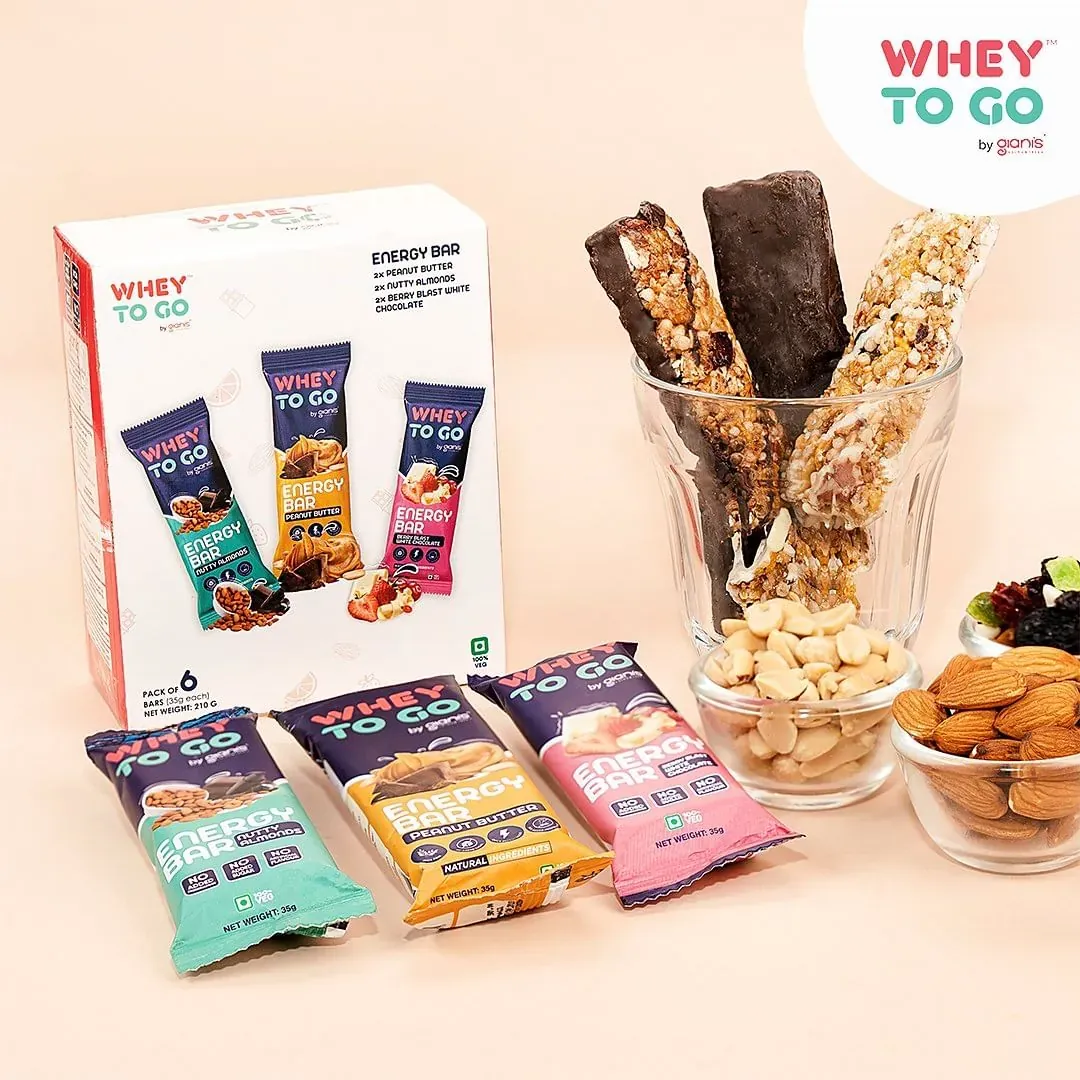
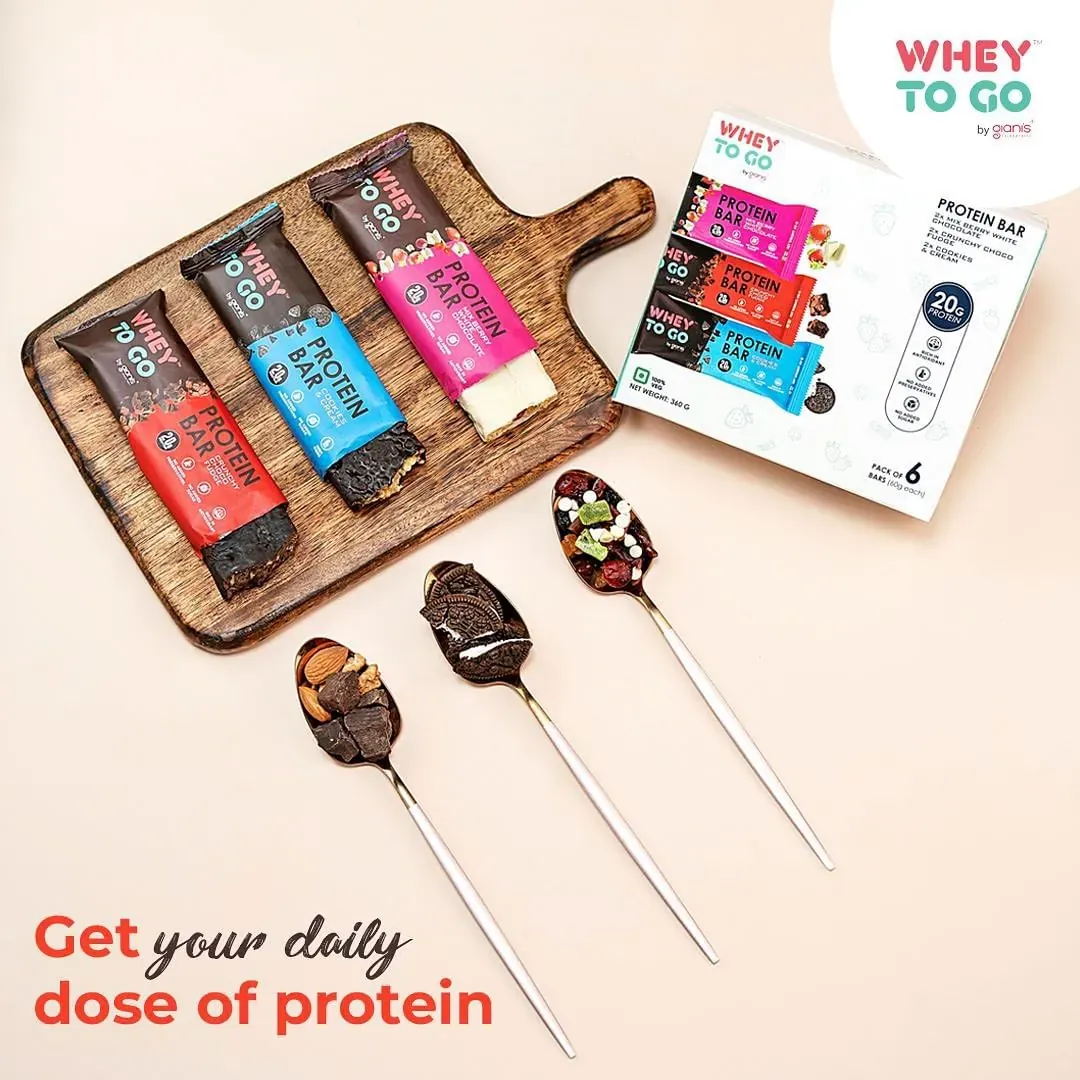
From the house of giani’s Whey To Go offers the same old joy but with an entirely new range of products which include energy bars, protein bars, peanut butter, and high-protein ice creams. Whey To Go is a way to help you snack healthy and stay fit without compromising.
The health food category is highly competitive, but most brands struggle with making “healthy” feel desirable rather than restrictive. Whey To Go, backed by Gianis, had a strong product range including protein ice creams, shakes, and meals, along with a clear differentiation in terms of health and taste.
However, the communication lacked aspirational appeal, and the brand needed to evolve beyond a purely functional perception. The digital presence was not effectively translating product quality into a strong lifestyle-driven identity.
To position Whey To Go as a lifestyle-led health brand that feels aspirational and desirable, rather than just a functional nutrition option.
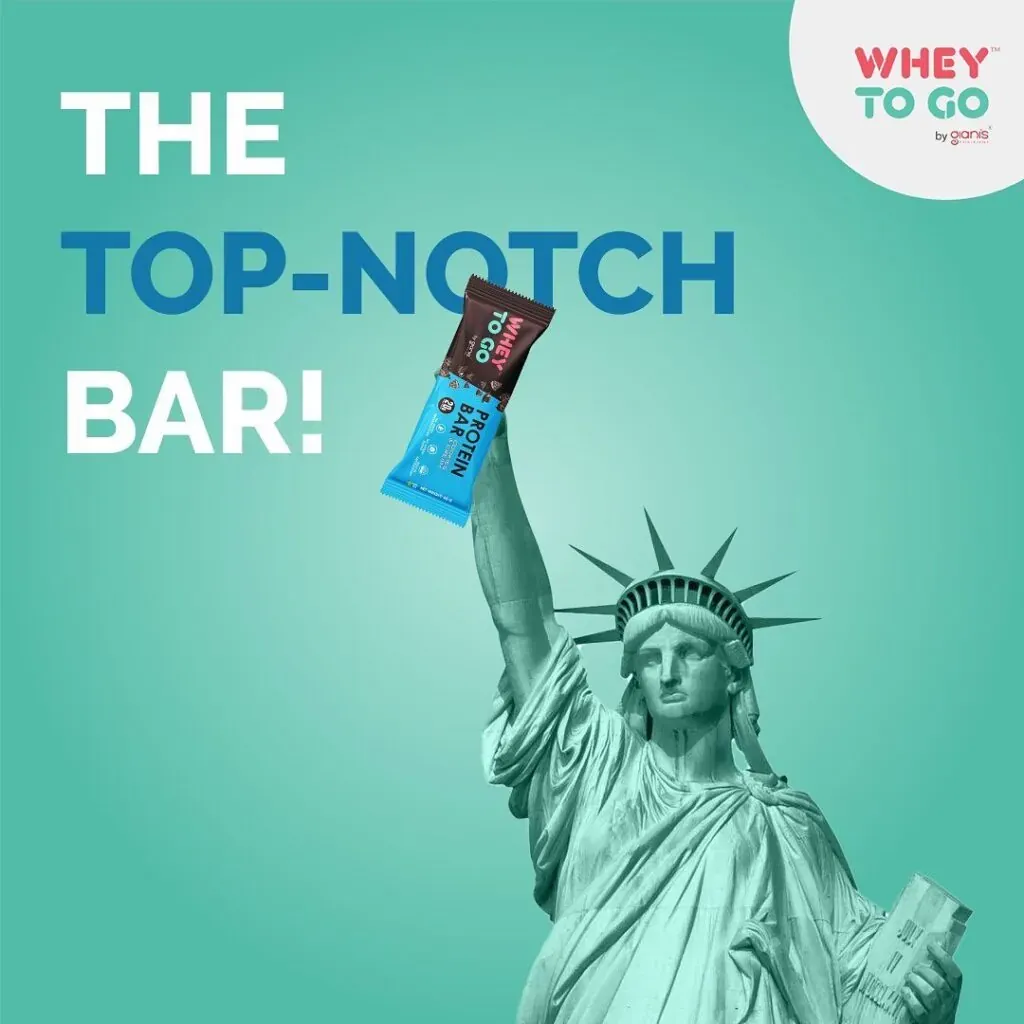
The approach began with a clear shift in positioning, moving communication away from purely functional messaging such as “high protein” and “healthy,” and instead focusing on the idea of guilt-free indulgence and everyday lifestyle integration.
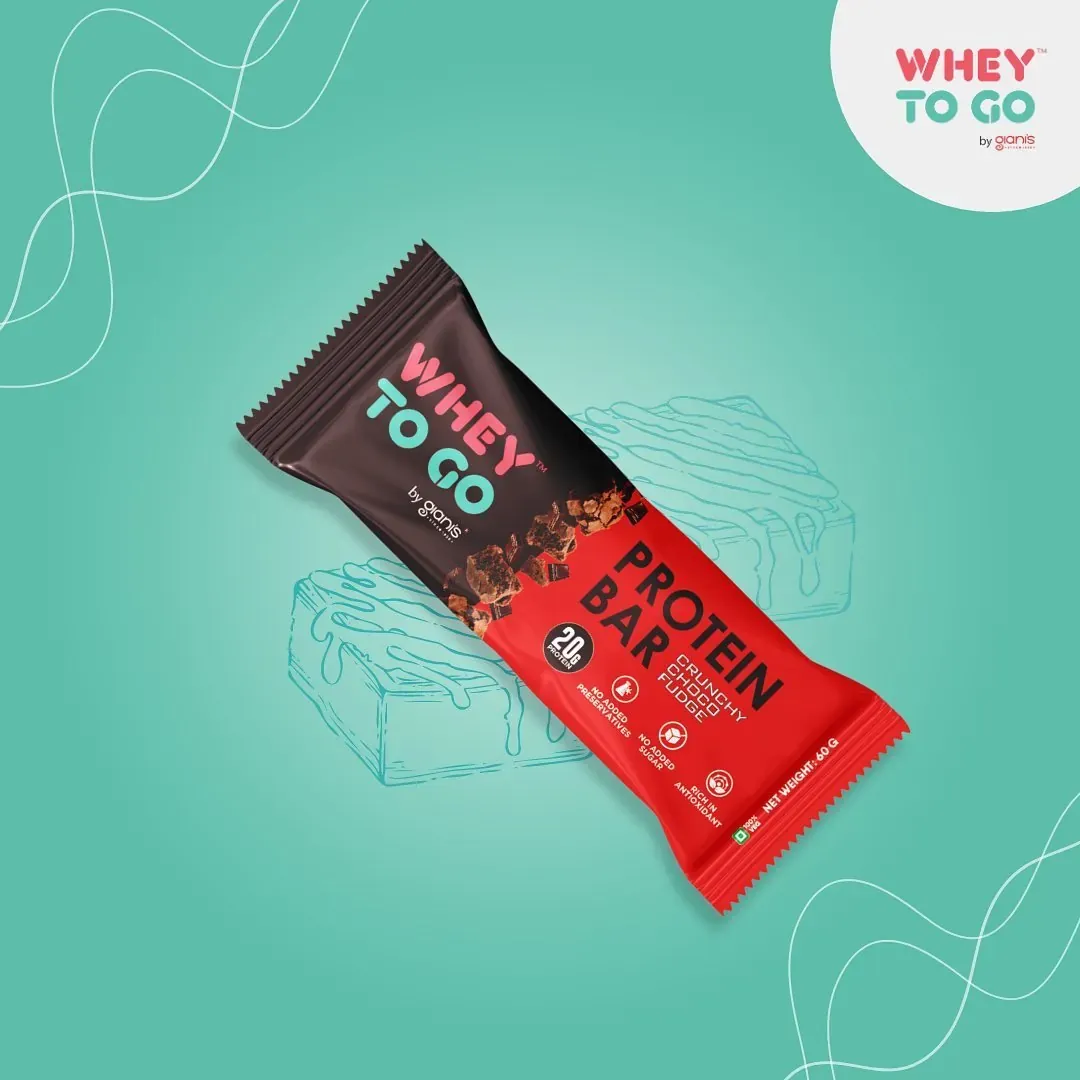
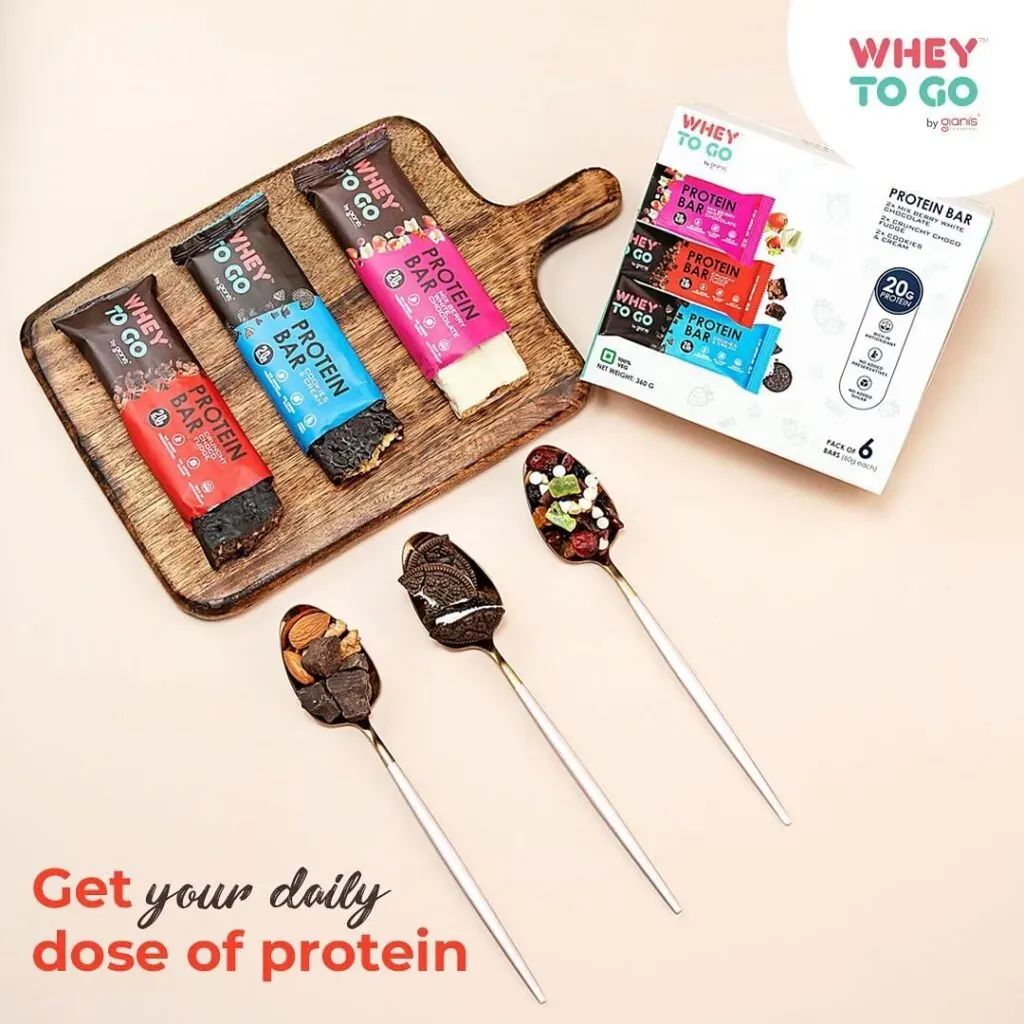
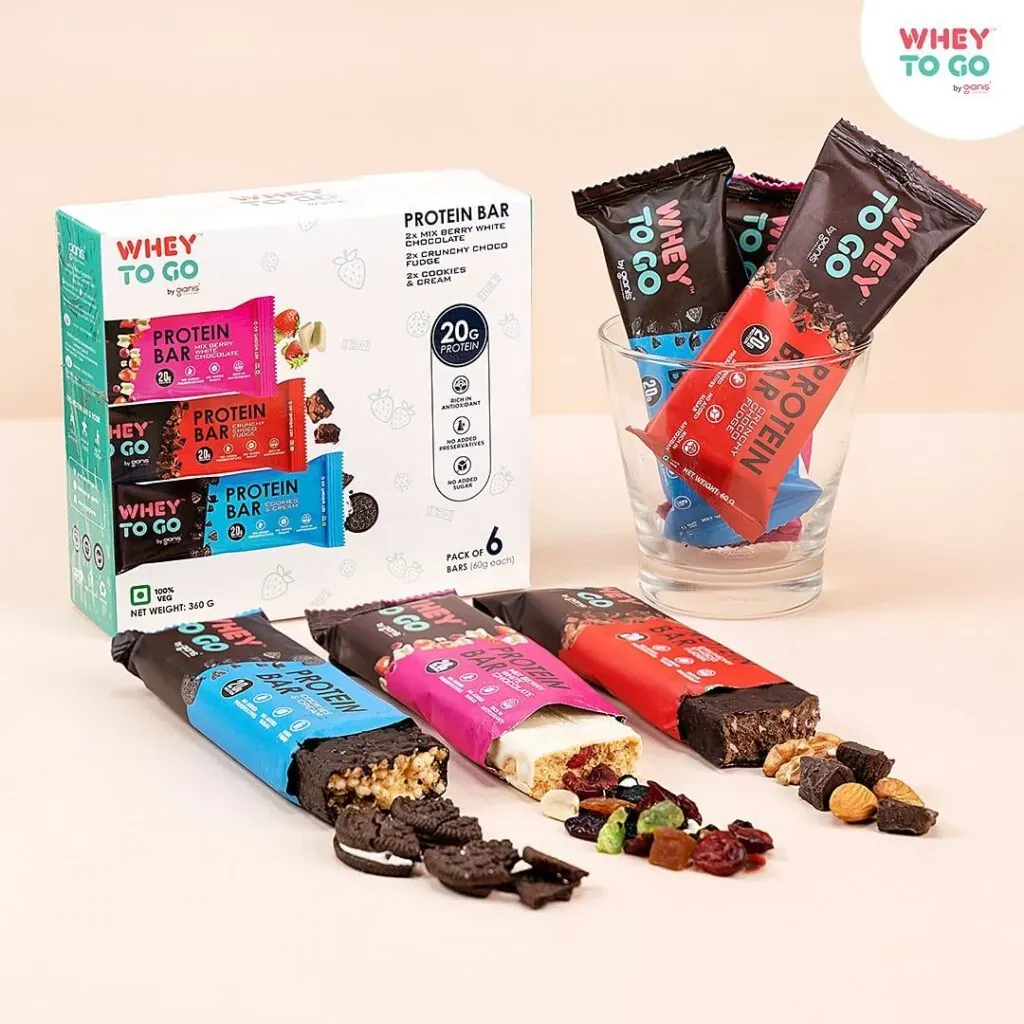
This was supported by a refined visual content direction, focusing on clean, aesthetic imagery that highlighted the texture, taste, and overall experience of the products while maintaining a premium and modern brand feel.
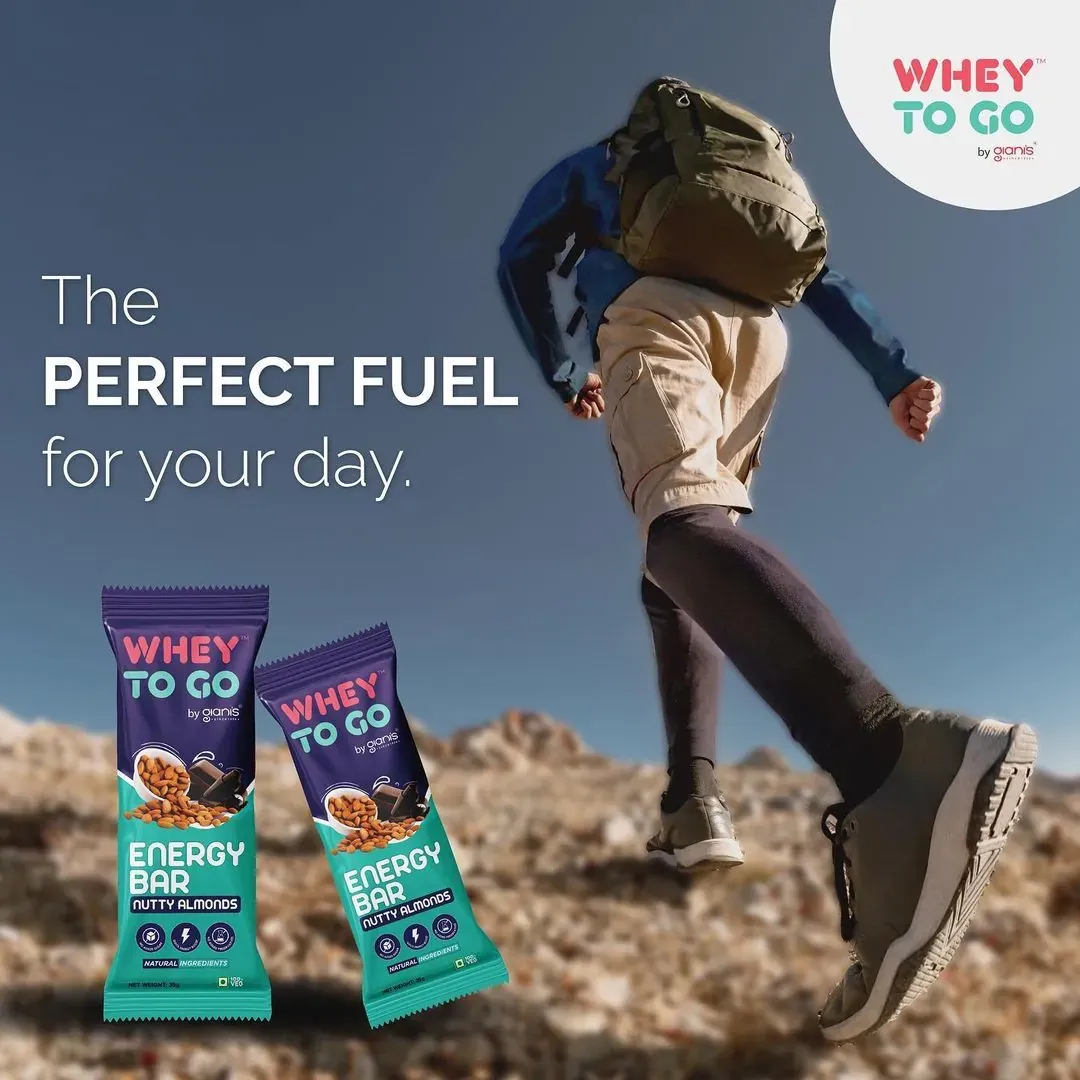
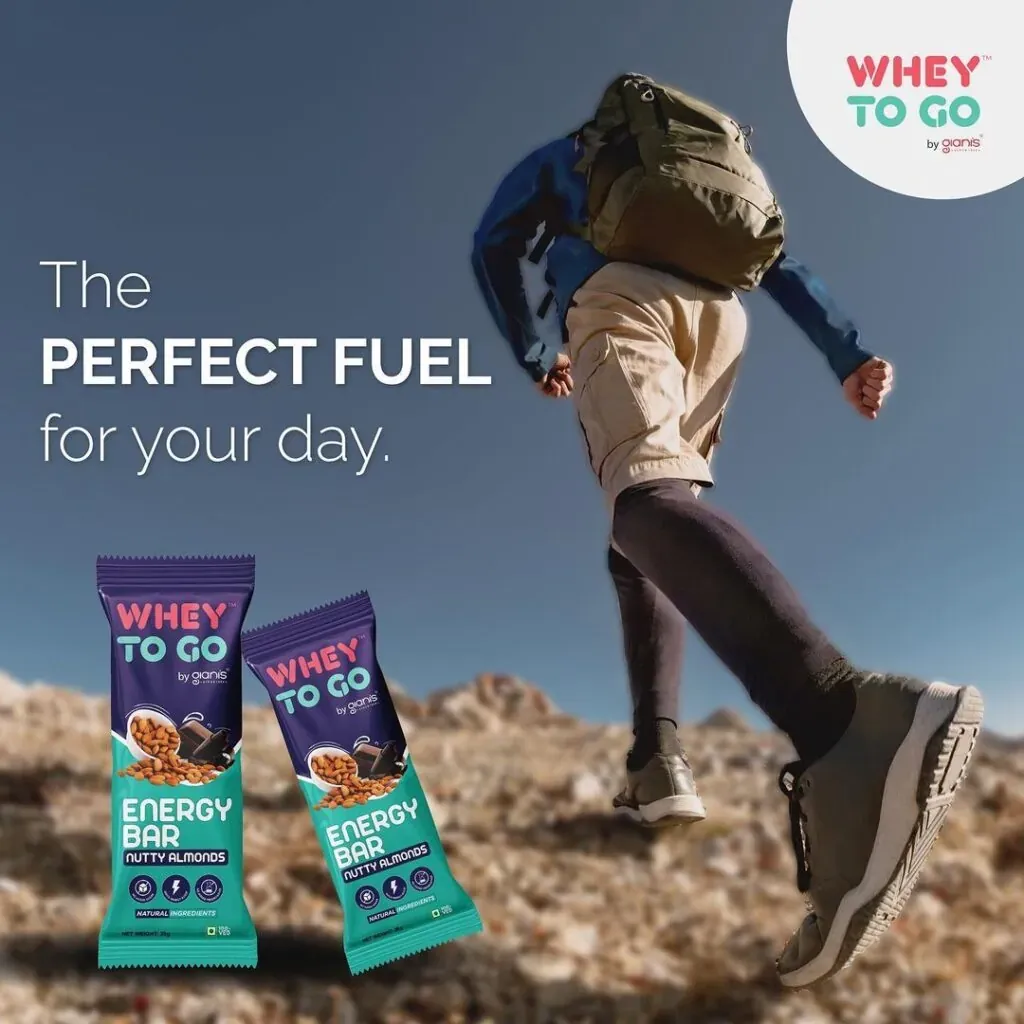
Alongside this, the communication was structured around storytelling that connected with the audience’s lifestyle, emphasising fitness, convenience, and the balance between health and enjoyment. This helped the brand move closer to its target audience’s mindset rather than just presenting product features.
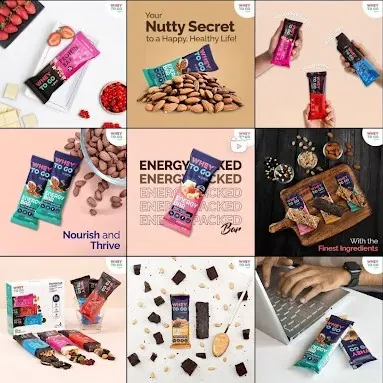
For health-focused food brands, product quality alone is not enough to drive preference. The way the brand is positioned and communicated plays a significant role in how it is perceived.
By shifting from purely functional messaging to a more lifestyle-driven narrative, brands can make healthier options feel more appealing and accessible, ultimately improving engagement and recall.
13 pieces
3 films
Key takeaway
In the health F&B space, brands that succeed are not just defined by how healthy they are, but by how desirable they feel to the consumer.